January 11, 2025
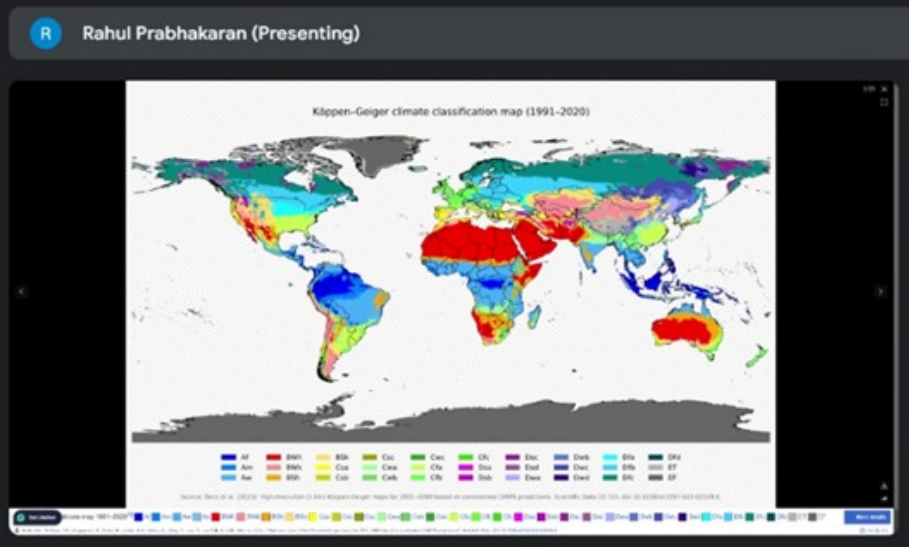
iHP Session: Meeting with Dr. Rahul Prabhakaran
Designation: Post Doctoral Researcher, Geozentrum Nordbayern, FAU Erlangen-Nürnberg
Key Takeaways:
- Dr. Prabhakaran mentioned how high clay content in Karnataka's soil poses challenges for using microbial binders for soil erosion control, and suggested looking into its soil applications in construction instead.
- He suggested exploring the application of microbial binders in the construction industry, particularly with desert sand as a sustainable alternative to traditional sand sources. Addressing the hydrophilic nature of microbial binders, potentially through MICP, is crucial for successful implementation.


January 16, 2025
iHP Session: Meeting with Dr. Sugandhini H.K.
Designation: Assistant Professor, Department of Civil Engineering, Manipal Institute of Technology, Manipal.
Key Takeaways:
- Dr. Sugandhini emphasized the importance of analyzing desert sand properties, particularly its particle size distribution and packing behavior.
- She also recommended investigating binder ratios and exploring concepts like percentage passing and binary/ternary/multimodal mixture models.
January 23, 2025
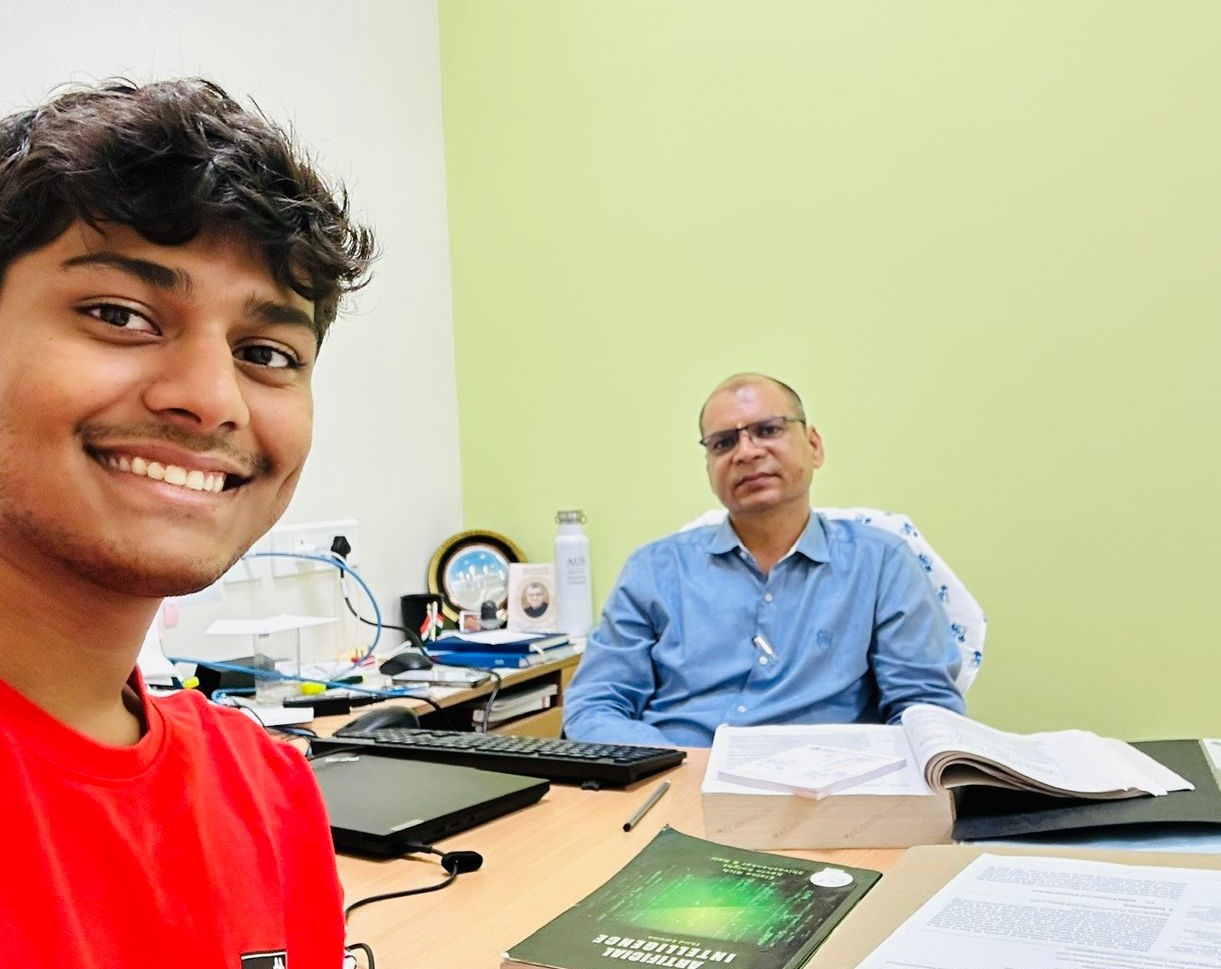
iHP Session: Meeting with Dr. Rajesh Mahadeva
Designation: Associate Professor, Department of Computer Science, Manipal Institute of Technology, Manipal.
Focus:
We met with Dr. Rajesh to learn about how machine learning models, like Convolutional Neural Networks (CNNs) and Artificial Neural Networks (ANNs), can be used to improve predictions in the construction industry.
Key Takeaways:
- Dr. Rajesh explained how to prepare data, choose the right algorithms, and even use advanced techniques like GA-CNN and PSO-CNN to make our predictions more accurate.
- He stressed the importance of carefully training, testing, and validating our machine learning models.
- We were also encouraged by the fact that many pre-trained models are already available in the construction industry, which could make our work easier.

January 23, 2025
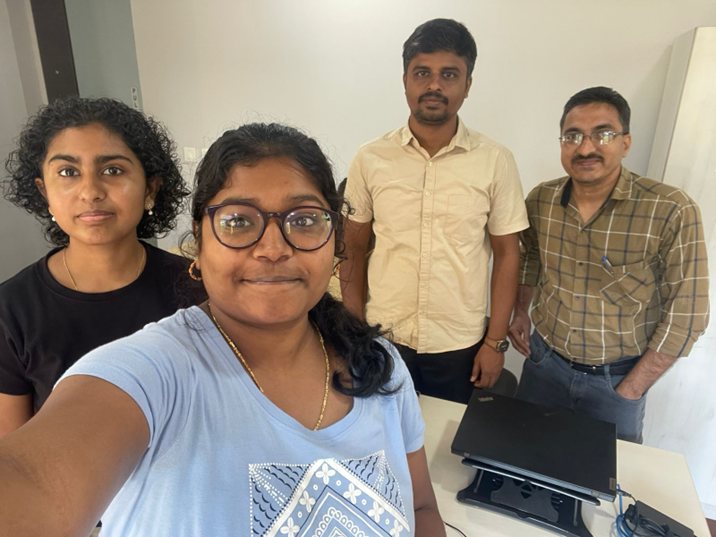
iHP Report: Lab Visit to AIMS Laboratory, Department of Chemical Engineering, Manipal Institute of Technology, Manipal.
Focus:
Introduced to various modeling and simulation software tools used in research, including LAMMPS, Schrödinger, OVITO, VMD, and VESTA.
Key Takeaways:
- We gained an overview of LAMMPS and Schrödinger, including demonstrations of their use in simulations and molecular modeling.
- We learned about valuable databases like NIST and The Materials Project for accessing material properties.
- We also recognized the suitability of Schrödinger for life science applications, particularly molecular modeling and drug discovery.
January 24, 2025
iHP Report: Call with Mr. Loy D’Souza
Designation: Sales Executive, Ambuja Cements Ltd (Adani Group), Mangaluru, Karnataka.
Outcome:
Secured a visit to the Ambuja Cements Factory in Mangaluru to gain firsthand knowledge of the cement manufacturing process.
Sponsorship:
Discussed potential sponsorship opportunities with Mr. Loy D'Souza, Head of Ambuja Cements in Mangaluru, who expressed strong interest.
Logistics:
Planned a trip to the factory after February 20th to allow for the procurement of necessary PPE kits.

January 27, 2025
iHP Session: Meeting with Dr. Praveen Kumar and Professor Girish MG
Designation: Dr. Praveen Kumar - Assistant Professor, Department of Civil Engineering, Manipal Institute of Technology, Manipal.
Girish MG - Assistant Professor, Department of Civil Engineering, Manipal Institute of Technology, Manipal.
Dr. Praveen Kumar provided insights into key properties, composition, and behavior of sand, cement, and soil stabilization techniques in construction. The discussion covered crucial aspects such as grain size distribution, chemical interactions, economic feasibility, and innovative engineering approaches for enhancing material strength and stability.
Key Insights from the Meeting:
- Sand in Construction:
- The discussion covered key aspects such as waterproofing and its effectiveness under different weather conditions. The reaction of concrete to varying climates was highlighted as a critical factor in ensuring long-term durability. The weight of concrete during transportation was also considered, emphasizing the need for efficient handling and logistics.
- Laterite sand, known for its natural binding properties, behaves similarly to rock, making it ideal for construction, especially in regions with abundant laterite deposits.
- Concrete Strength Classifications:
- M15-M20: General construction.
- M40-M50: High-strength applications.
- Sand type selection influences the final strength and durability of concrete structures.
- Economic Considerations:
- Locally sourced materials reduce costs and environmental impact.
- Talakadu (near Mysore) has significant desert sand deposits, minimizing transportation expenses.
- Simulation software can optimize material selection and improve construction efficiency.
- Cement and Structural Stability:
- Acts as a bonding agent between bricks and aggregates.
- Common causes of structural failures:
- Poor cement-sand bonding due to improper mixing.
- Incorrect material proportions leading to weak structures.
- The interaction between cement and calcium silicates is crucial for the binding process. Chemical inconsistencies can weaken the structure.
- Concrete Mix Ratios:
- 1:2:4 (cement:sand:aggregate) – Standard construction mix.
- 1:1.5:3 – Stronger mix for higher load-bearing applications.
- Water-to-Cement Ratio:
- Typically 0.5 to 0.6—lower water content reduces hydration, while excess water prolongs setting time.
- Ideal setting period: 30 minutes to 24 hours for optimal microstructural formation.
- Sustainable Alternatives:
- Fly ash and geopolymer concrete reduce cement dependency and enhance sustainability.
- Chemically modified bentonite serves as an alkali-activated stabilizer, improving soil properties.
- Testing Standards:
- Concrete and soil stabilization materials should be tested at 3, 7, 21, and 28 days to ensure proper curing and strength development.
- At least one conventional validation method should be used alongside advanced testing techniques.
Alternative Idea: Soil Stabilization for Construction
Professor Girish M.G. and Dr. Praveen Kumar suggested exploring soil stabilization techniques. He explained that to ensure a strong and durable base, buildings require deep foundation columns (pile foundations) for support. However, using our capsule-based approach to prevent soil erosion and harden the soil could reduce the excessive use of pile foundations. He highlighted the potential impact in North Karnataka, particularly in Kundapura, where soil stability is a major concern.
January 28, 2025
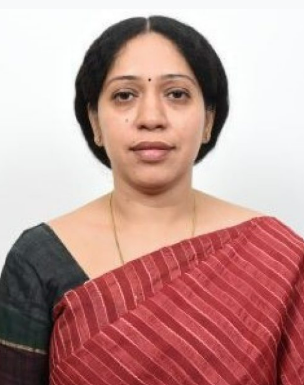
iHP Session: Meeting with Dr. Salmataj S A
Designation: Associate Professor, Department of Biotechnology, Manipal Institute of Technology, Manipal.
Key Takeaways:
- Dr. Salma S. Taj, emphasized the importance of thoroughly analyzing the physical properties of desert sand, such as particle size distribution and angularity, to understand its potential applications.
- She highlighted the challenges associated with using desert sand in traditional concrete mixes, such as its potential to increase porosity and reduce strength.
- The discussion encouraged us to explore innovative approaches to overcome these challenges and identify novel applications that leverage the unique characteristics of desert sand.
- Following the meeting, we, recognizing the growing demand for sustainable and durable construction materials, decided to investigate the potential of desert sand in self-healing concrete.
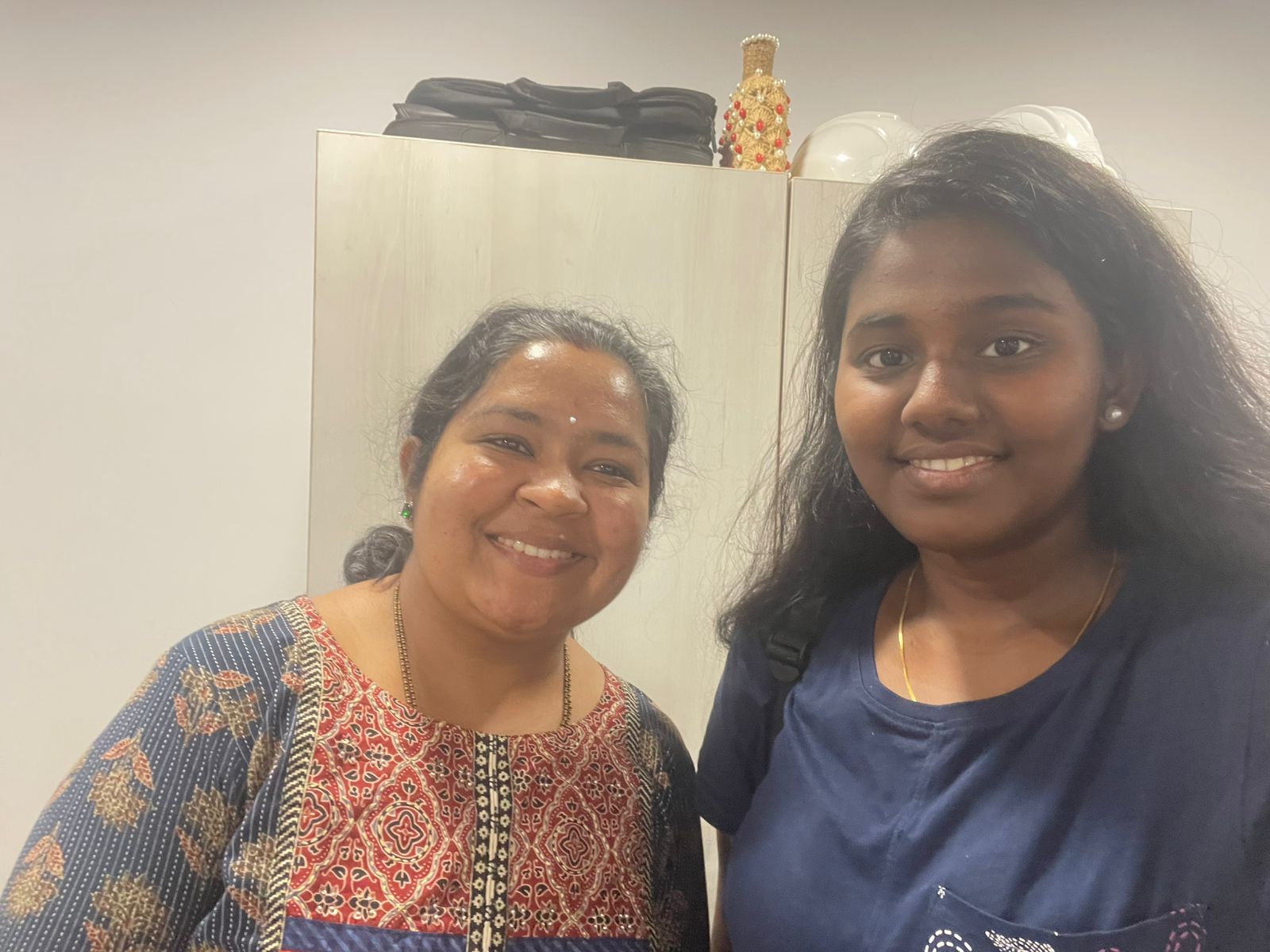
January 30, 2025
iHP Session: Meeting with Dr. Sugandhini H.K.
Designation: Assistant Professor, Department of Civil Engineering, Manipal Institute of Technology, Manipal.
Key Takeaways:
- Dr. Sugandhini advised referring to the latest versions of IS: 456:2000 and IS: 10262:2019 for RCC design and concrete mix proportioning. These documents are available through the library portal and should be reviewed for the most recent updates.
- The discussion covered concrete mix proportioning in five sections. The first section focuses on general the second on ordinary concrete, the third on high-strength concrete, the fourth on self-compacting concrete (SCC), and the fifth on mass concrete (MC). The applicable pressure ranges for different concrete types were also discussed, with an emphasis on selecting appropriate mix designs based on structural requirements.
- Additionally, Dr. Sugandhini inquired about the feasibility of formalizing mentorship for the team. Further discussions will be conducted to explore possible frameworks for this arrangement.
- The meeting provided valuable insights into RCC design considerations and set the groundwork for further collaboration.
January 30, 2025
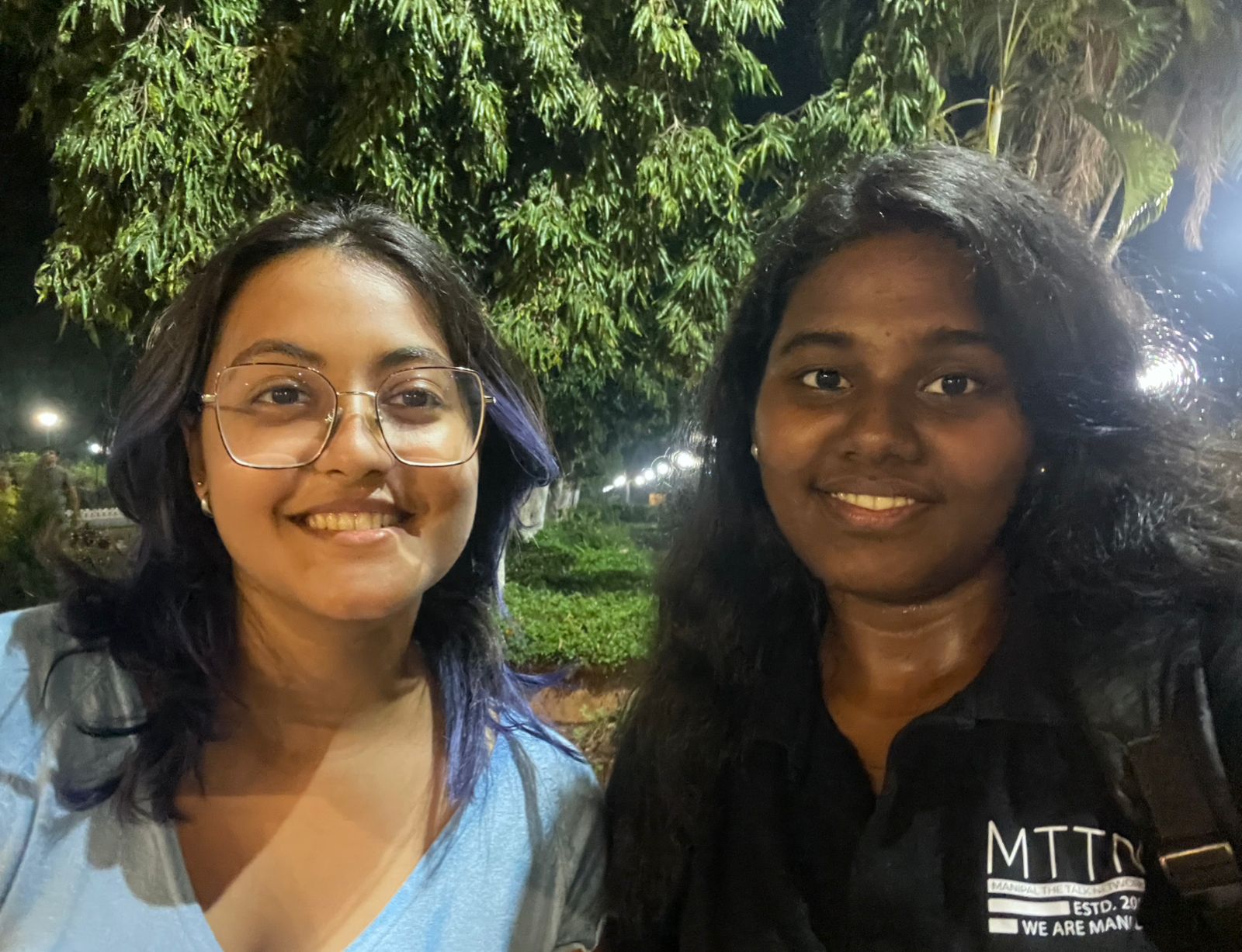
iHP Session: Meeting with Dr. P. Vairavel
Designation: Associate Professor, Department of Chemical Engineering, Manipal Institute of Technology, Manipal.
Key Takeaways:
- During the discussion, Dr. Vairavel recommended initially working with a bench-top fermenter (1–2 L capacity) before scaling up to a lab-scale bioreactor. He emphasized the critical importance of maintaining an aseptic environment, which will be a primary concern once key operational parameters such as media optimization, inoculation, pH, temperature, oxygen saturation, and agitation rate are established.
- Drawing from his expertise in bioreactors, gained during his PhD research on fungi, Dr. Vairavel also suggested exploring relevant simulation and testing software. He specifically recommended BioProcess Simulator (BPS) and Design of Experiments (DoE) for process optimization. Additionally, he advised the team to consult with Dr. Kannan, Dr. Balaji, and Dr. Mukunthan, as they may provide further guidance on the bioreactor design.
- This discussion provided valuable direction for the development of the bioreactor, and further consultations with the recommended faculty members will be pursued.

January 31, 2025
iHP Session: Meeting with Ms. Tia Kulkarni
Designation: 3rd Year student, Bachelors in Architecture, Manipal School of Architechture and Planning, Manipal.
Key Takeaways:
- The discussion covered key aspects such as waterproofing and its effectiveness under different weather conditions. The reaction of concrete to varying climates was highlighted as a critical factor in ensuring long-term durability. The weight of concrete during transportation was also considered, emphasizing the need for efficient handling and logistics.
- Reinforcement compatibility, particularly the interaction between concrete and steel rebar, was discussed. The selection of concrete grades determines the appropriate grade of steel reinforcement required. For longer spans, an increase in beam depth is necessary for structural integrity; however, this may pose challenges for aesthetic design.
- Joinery in precast and prefabricated structures, particularly in connecting columns and beams, was identified as an essential consideration for stability and ease of assembly. Additionally, reference was made to the KEF R&D centre, fabricated by a specific group, serving as an example of prefabrication techniques.
- The discussion provided valuable insights into optimizing concrete structures while maintaining a balance between functionality and aesthetics.
February 1, 2025
iHP Session: Meeting with Dr. Mukunthan K. Selvam
Designation: Associate Professor, Department of Biotechnology, Manipal Institute of Technology, Manipal.
Key Takeaways:
- The goal of the meeting was to understand how to prevent knockoff insertions while maintaining an appropriate metabolic load, as well as to explore alternative strategies for identifying the bacterial strain of interest.
- Dr. Mukunthan suggested identifying the correct inhibitors that block enzymes and targets to facilitate faster production of gamma-PGA. Most importantly, he emphasised that we could only proceed once we had a good understanding of all relevant metabolic pathways, as this would help us determine the balance between a suitable metabolic load and an overload on our gene of interest. He advocated the use of inhibitors to regulate gene expression while maintaining a control group once the appropriate inhibitors were identified.
- He also strongly advised us to consider the economic viability of our project and the potential routes to commercialisation.
- Additionally, he connected us with professors in MIT’s Biotechnology and Chemical Engineering departments who specialise in fermentation engineering for self-healing concrete and bioreactor design respectively.
- Overall, this meeting gave the team a clear direction for our workflow and provided valuable leads for refining the bioreactor design in our project.

February 2, 2025
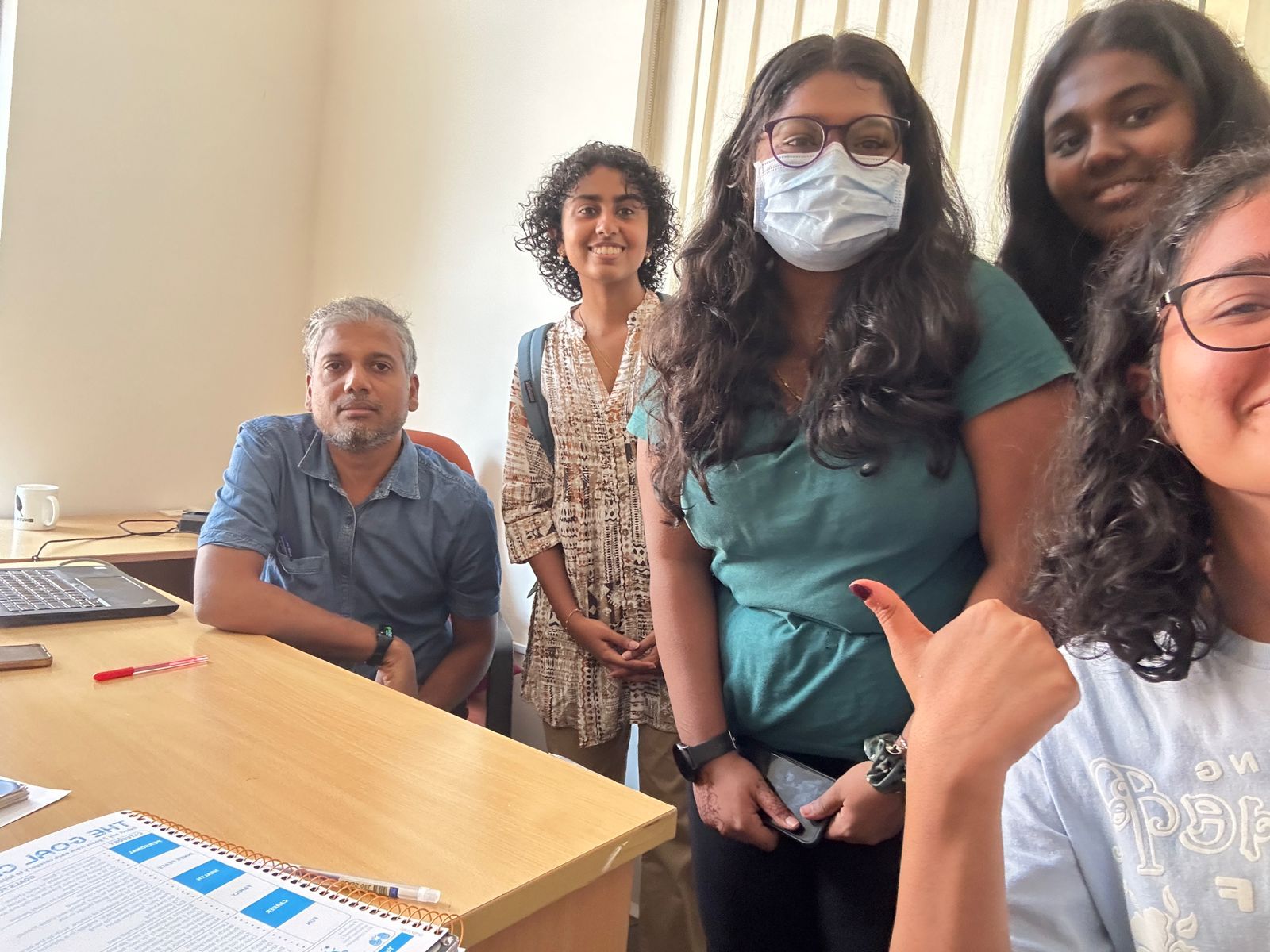
iHP Session: Meeting with Mr. Muthuraman Arumugam
Designation: 3rd Year student, Bachelors in Architecture, Manipal School of Architechture and Planning, Manipal.
Key Takeaways:
The objective was to discuss the feasibility of the project and get an Architect’s opinion on the same.
- Procurement and Logistics
- Access to gamma PGA and desert sand.
- Transportation issues to desert locations.
- The cost of procuring in bulk.
- Effect on the desert microbiota when it gets shipped.
- Reaction Under Extreme Weather
- How desert sand will manipulate itself when it has been brought to a different region of the globe.
- Changes in extreme temperatures and climatic fluctuations affect the efficiency of the reaction.
- Gamma PGA stability in heat and dry conditions for extended periods.
- Contamination
- Impurities in the desert sand may influence the reaction results.
- The requirement for pre-treatment or filtration of the sand before mixing.
- Desert Ecosystem
- Environmental Impact Analysis of the Utilization of Desert Sand in Building.
- Impact on Local Flora and Fauna of Highly Intensive Extraction.
- Interaction Between Sand Particles and Gamma PGA
- Binding Capacity of Gamma PGA with Different Desert Sand Formations.
- Stability of Reaction as Influenced by Mineral Content and Particle Size.
- Microbes in Desert Sand
- Microbial Activity Influencing Binding Capability of Gamma PGA.
- Influence of Sterilization or Controlled Condition on Degradation.
- Viability of Precursor Formation
- Possibility of the formation of stable precursors before full-scale application.
- Efficacy of the precursor material in controlled curing.
- Silicates Transformation During Transportation
- The change in chemical composition when the sand is being transported across the globe due to oxygen deprivation in the containers.
- Change in composition of silicates, which can have an impact on interaction with gamma PGA.
- Mechanical property change and integrity of the overall structure.
- Storage
- Gamma PGA shelf life under various conditions.
- Optimal storage conditions that will preserve its reactivity and effectiveness.
- Mixing Tons of Sand and Gamma PGA
- Problem during large-scale mixing and required equipment.
- Homogeneity problem and material distribution uniformity.
- Curing Time
- Optimal curing time to achieve maximum strength.
- Possible delays in construction as a result of longer curing times.
- Corrosion
- Compatibility of gamma PGA-treated sand with available reinforcement materials.
- Possible chemical reactions that can lead to long-term degradation of the structure.
- Miscellaneous
- Big Bar, Precast, Rebar: Viability of using gamma PGA in precast elements or reinforced structures.
- Disadvantages: Limited application and adaptability to various construction demands.
- Cost: Economic viability, scaling issues, and investment.
- Constraints: Regulatory issues, availability of qualified manpower, and testing.
- Long-Term Viability: Durability, maintenance, and lifecycle assessment.
- Fiber Cement: Potential alternative or complement to gamma PGA-treated sand.
- Premade Concrete: Exploring the possibility of pre-mixed gamma PGA concrete for ease of use.
February 1, 2025
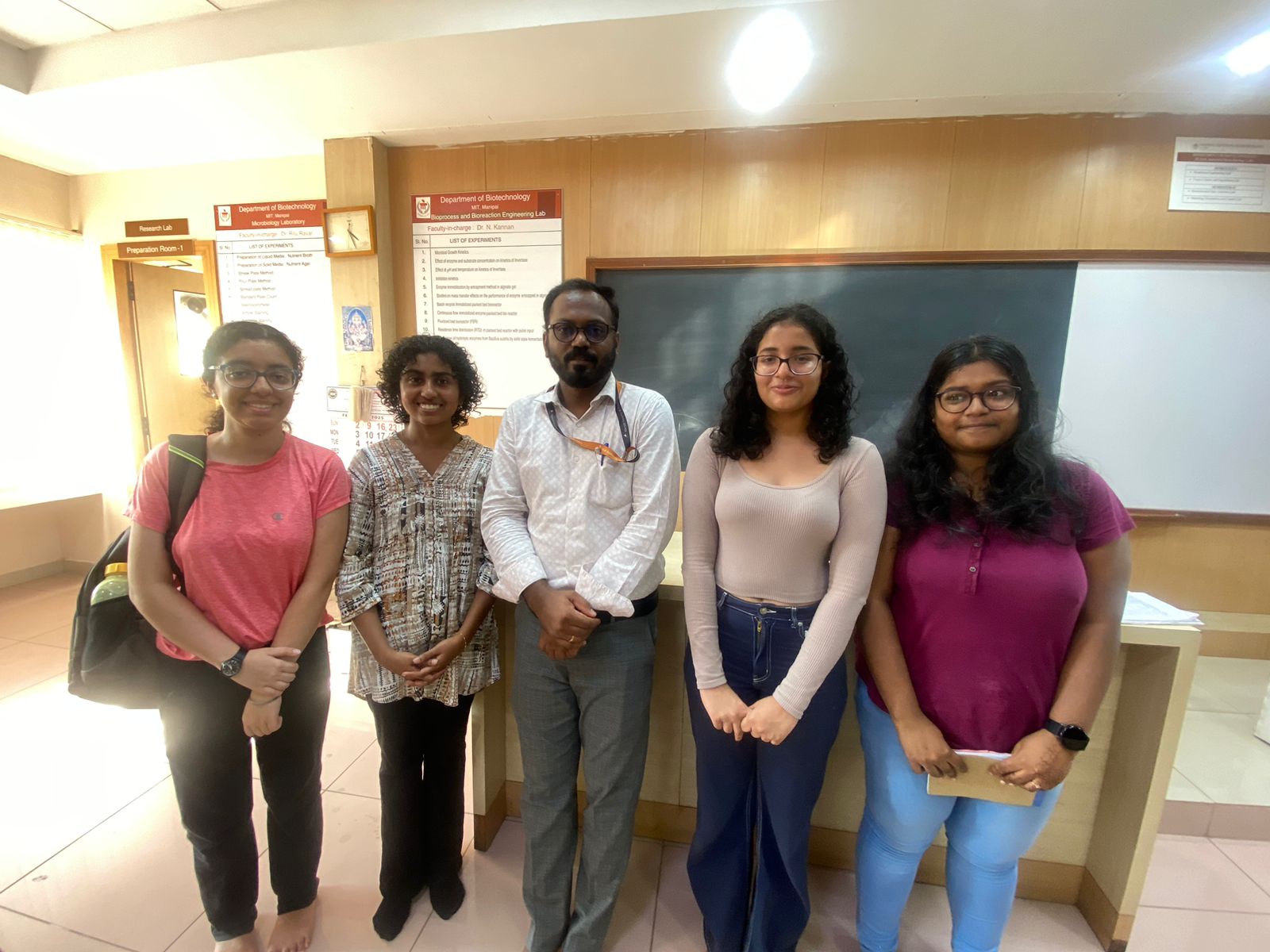
iHP Session: Meeting with Dr. Kannan N
Designation: Associate Professor, Department of Biotechnology, Manipal Institute of Technology, Manipal.
Key Takeaways:
- Dr. Kannan discussed the various types of concrete used in different environments and how it is graded based on the cracks formed on it. Through this, we were able to gather further information regarding the civil engineering aspect of our project. His research focused on self-healing concrete using microorganisms. He had also provided valuable insights into the oxidative stress which causes cracks in concrete.
- He explained that in his research, microbes adhere to the final concrete in a dormant phase, becoming active when a crack starts forming.
- He also suggested using methods to stimulate cracks using various samples and controls with different ratios of sand, binders, and other essential materials needed to make our cement durable.
- He recommended for us to utilize an indigenous bioreactor for the suitable microbe selected for the project.
- Dr. Kannan also explained the intricacies of the nutrient media required for our microbe’s growth. Due to the compact nature of the cement due to its packing model, microbes would not be able to fully utilise the media, as they would be unable to release their own metabolites effectively.
- He had also recommended exploring microbial strains that can thrive in salty conditions and are extremophiles which would aid in the process of finally utilizing our cement for commerical applications, while also considering additives to prevent degradation.
- Lastly, he stressed on the importance of conducting multiple tests, maintaining controls, and experimenting with different material ratios to assess tensile strength at the 28-day mark.
Add the new one here
iHP Session: Meeting with Ms. Tia Kulkarni
Designation: 3rd Year student, Bachelors in Architecture, Manipal School of Architechture and Planning, Manipal.
Key Takeaways:
- The discussion covered key aspects such as waterproofing and its effectiveness under different weather conditions. The reaction of concrete to varying climates was highlighted as a critical factor in ensuring long-term durability. The weight of concrete during transportation was also considered, emphasizing the need for efficient handling and logistics.
- Reinforcement compatibility, particularly the interaction between concrete and steel rebar, was discussed. The selection of concrete grades determines the appropriate grade of steel reinforcement required. For longer spans, an increase in beam depth is necessary for structural integrity; however, this may pose challenges for aesthetic design.
- Joinery in precast and prefabricated structures, particularly in connecting columns and beams, was identified as an essential consideration for stability and ease of assembly. Additionally, reference was made to the KEF R&D centre, fabricated by a specific group, serving as an example of prefabrication techniques.
- The discussion provided valuable insights into optimizing concrete structures while maintaining a balance between functionality and aesthetics.